01 / Specify
Start with the part file
Upload a STEP or STL, then set the process, material, quantity and finish. Add a drawing for critical fits, threads or surface requirements so the specification travels with the part.
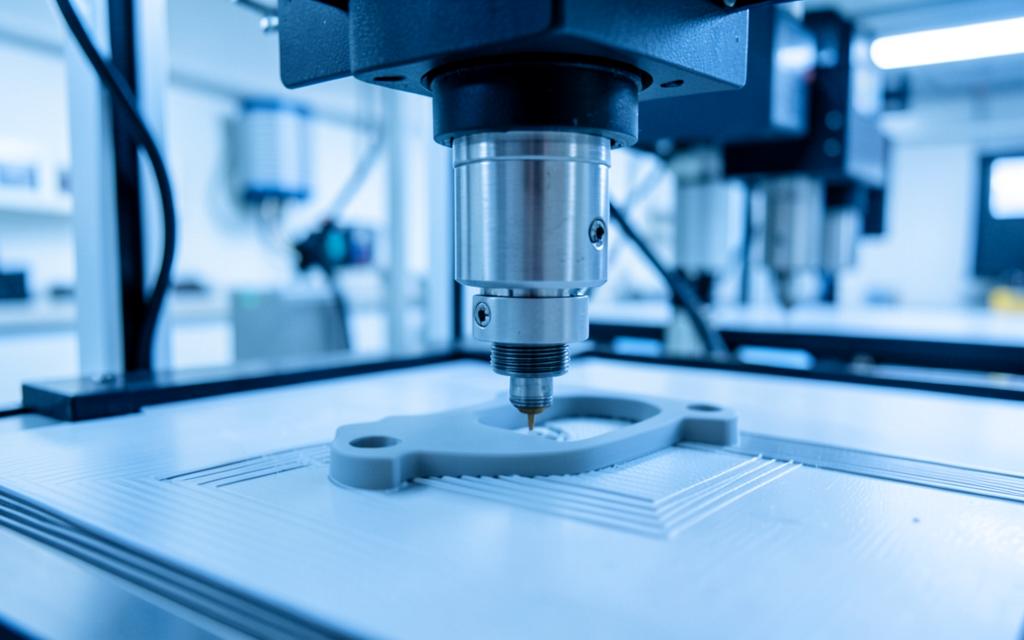
FDM through qualified printing partners for functional prototypes and small batches. Choose the polymer around heat, flexibility and where the part will be used.
Filament choice affects not just colour but the way a part flexes, survives heat and wears over time. Printed layers also make orientation important for loaded features.
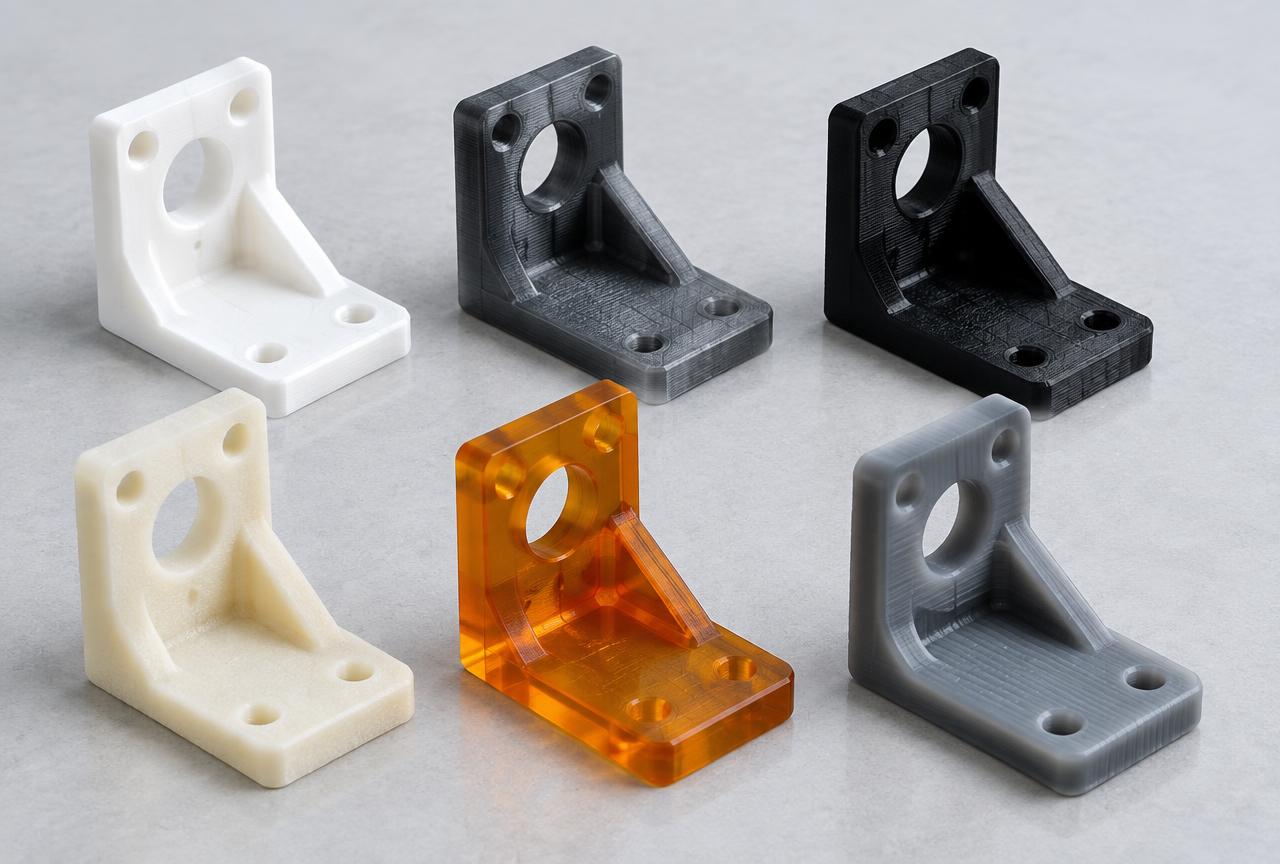
FDM parts can be weaker between layers. Note how the part will be loaded so print orientation can be reviewed before manufacture.
Overhangs and enclosed voids may need support that affects the finish. Splitting the design or changing orientation can make removal easier.
Tell us whether the part sees heat, sunlight, chemicals or repeated flexing. These needs often determine the polymer more than colour does.
Ratings are relative within this process, use them to shortlist, then check the datasheet values on your quote.
From file to finished part
Upload a STEP or STL, then set the process, material, quantity and finish. Add a drawing for critical fits, threads or surface requirements so the specification travels with the part.
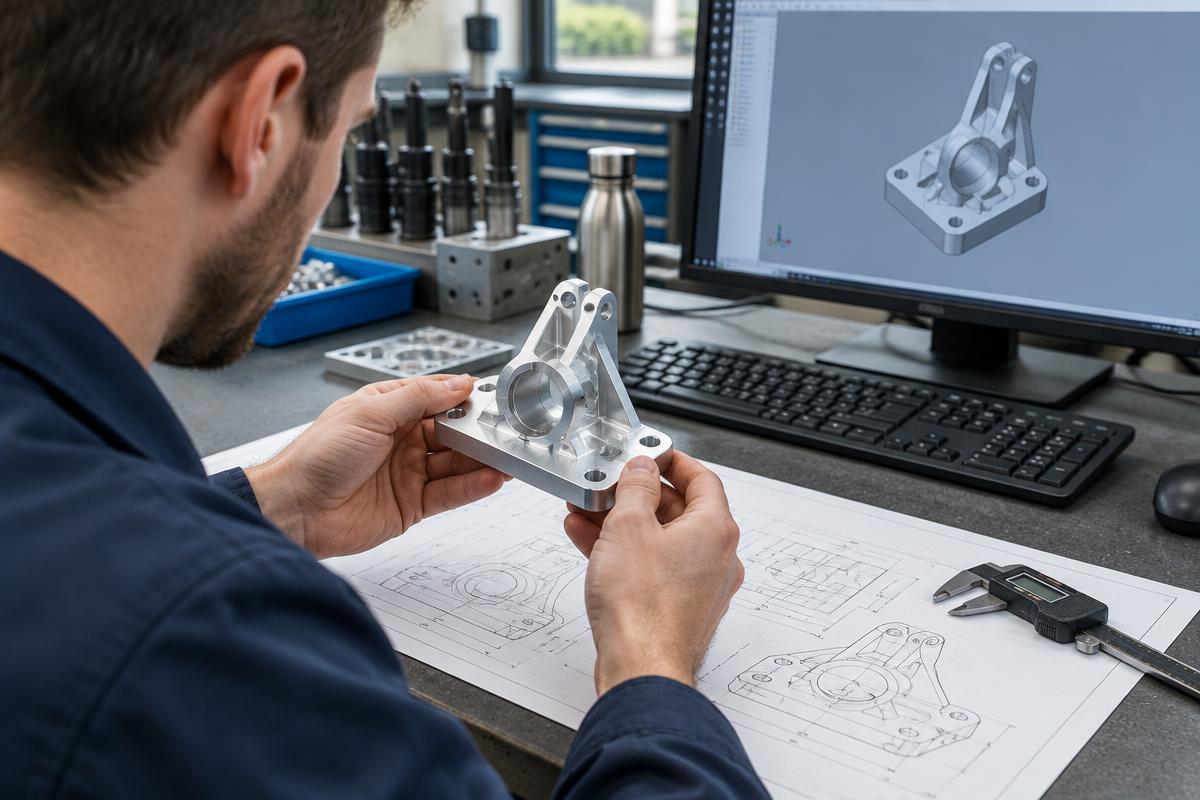
Your price updates as you choose material, quantity and finish. Pay by card through Stripe; our engineers then check the order and contact you first if a dimension or feature needs clarification.
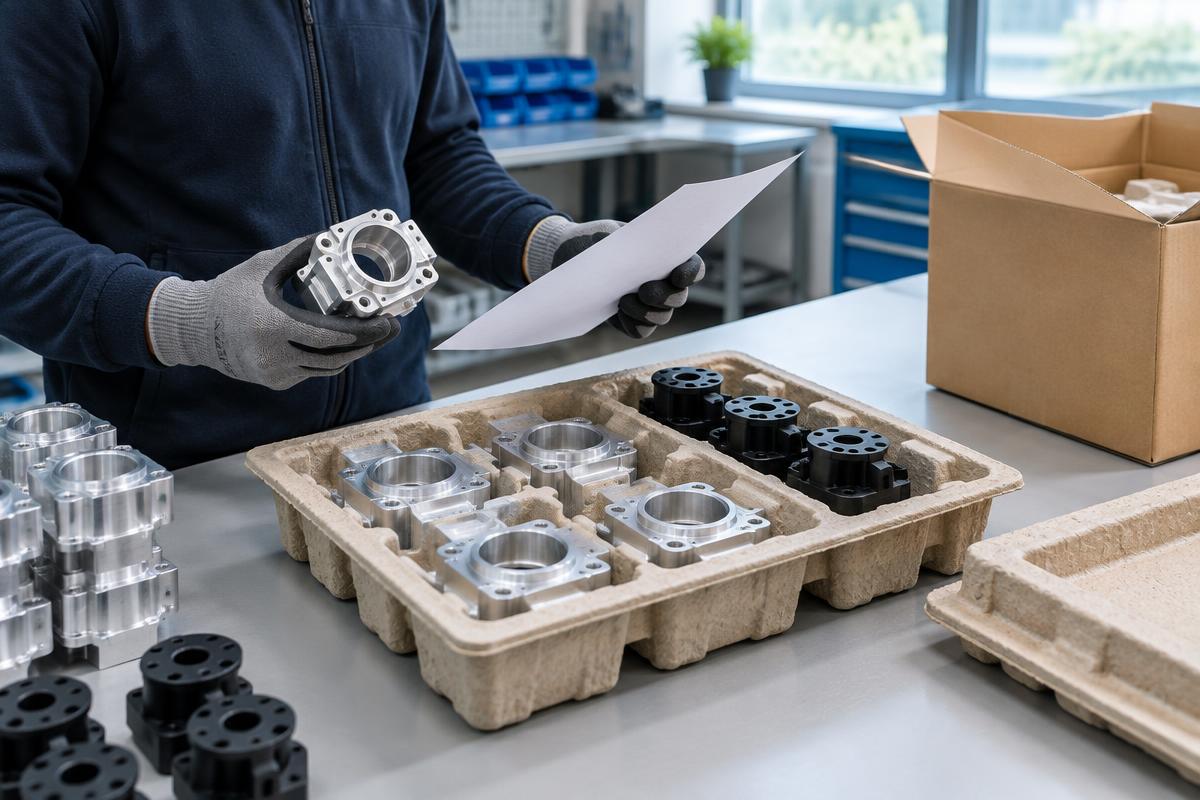
After payment, the job is assigned to a qualified supplier. Follow production in your account; when the parts are dispatched, the shipment record carries the tracking details.
Questions